
Guide to practicing the commentary argumentation exercise on page 81
During practice commentary argumentation exercise on page 81, mastering rebuttal and response skills is very important. To improve your rebuttal ability, you need to start by clearly understanding the main content of the article or topic under debate. Regularly practice asking questions, analyzing arguments, and verifying data to ensure the accuracy of your comments. In addition, using tools such as Facebook comments with stickers makes your response more lively and easier to notice. Regular practice will help improve your argumentation and rebuttal skills naturally, contributing to better-quality comments on your social media platforms.
To practice the commentary argumentation exercise on page 81 effectively, you should build the habit of reading articles carefully before commenting. This helps you avoid misunderstandings or unsupported comments. At the same time, practice presenting your opinions clearly and logically, avoiding rambling or using language that may be misunderstood. Applying argumentation techniques such as cause and effect, comparison and contrast, or analysis and synthesis will make your comments more persuasive.
Practice the commentary argumentation exercise on page 81 to improve your analytical skills, and take a look boxingvietnam to get the latest news.
Practice the commentary argumentation exercise on page 81 to improve your analytical skills, and don’t forget to check out link w88.

In addition, during practice, you should also pay attention to responding politely and avoid comments that are personally attacking. This is an important factor in building a positive commenting environment, while also enhancing your personal credibility when participating in discussions on social media.
Common types of comments on social media
- Positive feedback: praise, encouragement
- Negative feedback: criticism, opposition
- Neutral comments: sharing feelings, analysis
- Humorous comments: using stickers, memes, jokes
- Tactical comments: rebuttal, in-depth debate
On social media platforms such as Facebook, YouTube, or Fanpage, these types of comments appear in many different forms. Recognizing and analyzing the correct type of comment will help you choose the appropriate way to respond, thereby improving communication and debate effectiveness. For example, when you encounter a humorous comment using Facebook comments with stickers, you can take advantage of it to create a friendlier, more approachable atmosphere in the conversation.
Analyzing rebuttal tactics in comments
In commentary argumentation exercise on page 81, building an appropriate rebuttal strategy is very important. You need to know how to listen, carefully analyze the other side’s arguments, and then provide rebuttals based on data and clear reasoning. Using skills such as asking open-ended questions or emphasizing the strengths and weaknesses of an argument helps increase persuasiveness. In particular, in Phan Son’s war commentary, these tactics are clearly shown through a rebuttal style that is tight, logical, and suited to the debate culture of Vietnamese people.
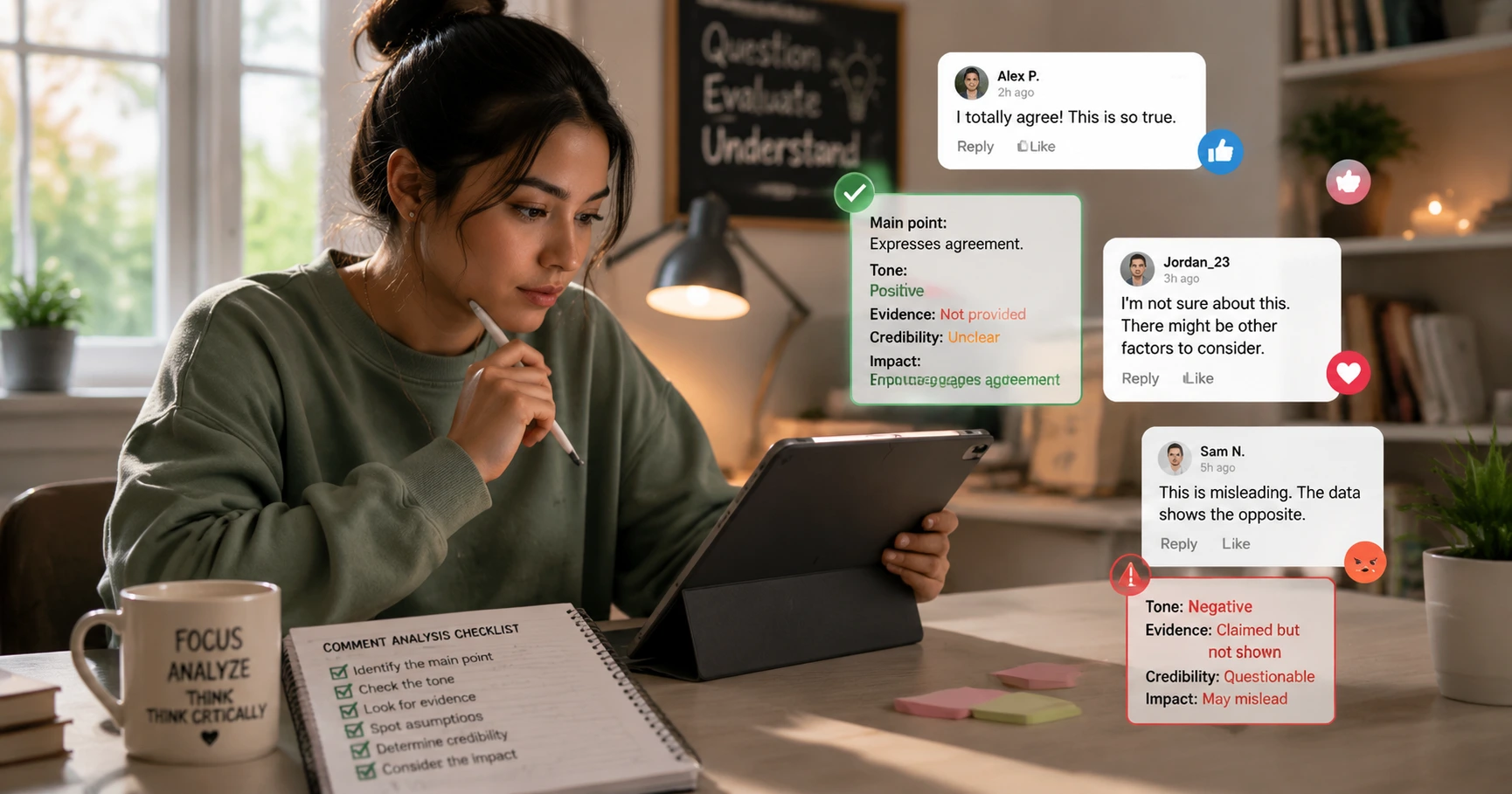
Rebuttal tactics not only help you defend your personal viewpoint but also contribute to building a scientific, in-depth debate. When practicing, pay attention to maintaining a respectful attitude and avoid using inflammatory language. This helps your comments be more readily accepted and creates a positive impact on the online community.
In addition, you should also learn to recognize unhealthy debate tactics such as distortion, shifting concepts, or using misleading information. This helps you avoid getting drawn into pointless arguments and stay firm in your position with a clear mind.
Practicing Phan Son’s war commentary
Phan Son is famous for his Phan Son’s war commentary extremely sharp, strongly rebutting, and unafraid-to-debate comments. When practicing Phan Son’s war commentary, you need to pay attention to how he uses language, chooses suitable wording, and gets straight to the heart of the issue. Practicing comments like this helps improve your rebuttal ability while also showing a deep understanding of hot topics in society, sports, or other social issues.
Learning from the style of the banana-fried commentator also brings many valuable lessons in practicing the commentary argumentation exercise on page 81. The banana-fried commentator often uses a witty, humorous tone while still keeping sharpness in analysis. You can combine this style to create comments that are both insightful and attention-grabbing.
Comment support tools: Facebook comments with stickers
| Tool | Purpose |
|---|---|
| Facebook comments with stickers | Make comments more lively, attract attention |
| Turn off comments for posts on the fanpage | Manage content, avoid negative arguments |
| Turn on comments on YouTube | Increase engagement and feedback from the community |
Using Facebook comments with stickers not only makes comments more lively but also creates more positive interaction with readers. Stickers are often designed to be eye-catching, easy to understand, and able to convey emotions quickly. This helps reduce tension in debates and increases friendliness in communication.
Skills for turning off comments for posts on the fanpage
In some cases where content control is needed, turning off comments for posts on the fanpage is necessary to limit inappropriate or negative debates. This skill helps administrators maintain a healthy comment environment, avoiding arguments that cause disunity or affect the fanpage's reputation.
When turning off comments for posts on the fanpage, you should consider carefully, especially for important or highly sensitive posts. In addition, clearly explaining the reason for turning off comments also helps followers understand and avoid unnecessary misunderstandings.
Turn on comments on YouTube to increase engagement
Turn on comments on YouTube is one of the effective ways to increase engagement and attract attention from the online community. Comments on YouTube not only help content creators receive direct feedback but also stimulate discussions, helping spread the video to more people.
When turning on comments on YouTube, you should proactively manage and respond to comments positively. At the same time, applying comment reasoning techniques on page 81 when replying will help build a professional and trustworthy image in viewers' eyes.
Statistics and analysis of comment effectiveness
To evaluate the effectiveness of comments, especially in practicing comment reasoning techniques on page 81, it is very necessary to compile statistics and analyze feedback. You can track the number of likes, replies, shares, or other engagement metrics to assess the impact of comments.
Analyzing comment content also helps you better understand the community's psychology and viewpoints, thereby adjusting your approach and comment strategy accordingly. This not only helps improve reasoning skills but also contributes to building a healthier, more positive social network.
In short, practicing comment reasoning techniques on page 81 not only helps you become a smart, sharp commenter but is also a way to build a reputable personal image on social media platforms. Combine the use of tools such as Facebook comments with stickers, comment management skills such as turning off comments for posts on the fanpage, and make the most of features such as turning on comments on YouTube to achieve the highest effectiveness in online communication.